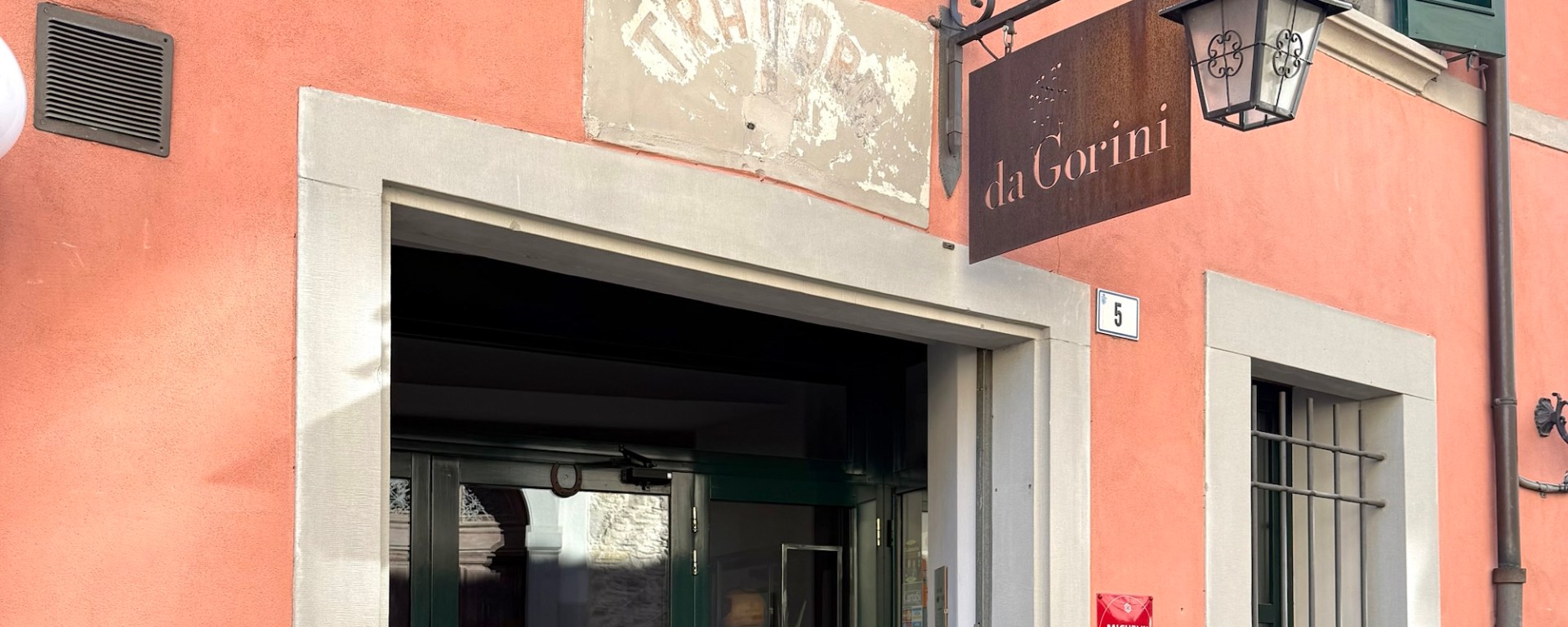
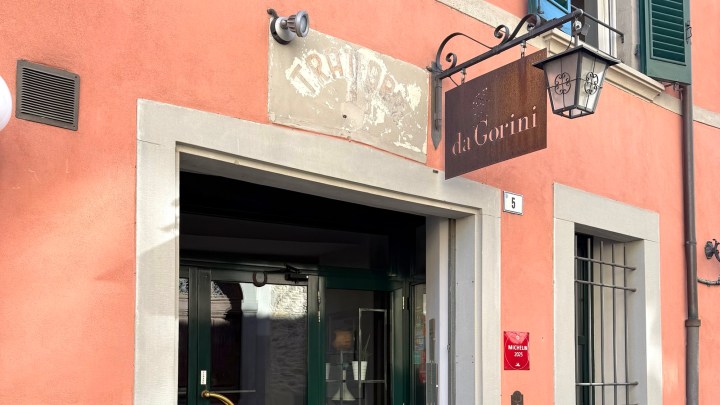
In Italy, I prioritize visiting restaurants awarded three gamberi or three forchette by Gambero Rosso. The sweet spot is often a restaurant with three forchette but only one Michelin star, as they offer exceptional cuisine at a more approachable price point. When I discovered daGorini, a newer establishment with this exact pedigree, I decided to make a detour to San Piero in Bagno, a small town in a valley of the Romagna Apennines. The restaurant was opened in 2017 by chef Gianluca Gorini in his hometown. While making the reservation, the name of the town felt familiar. Looking back through old photos on my phone, I realized we had visited in 2014.
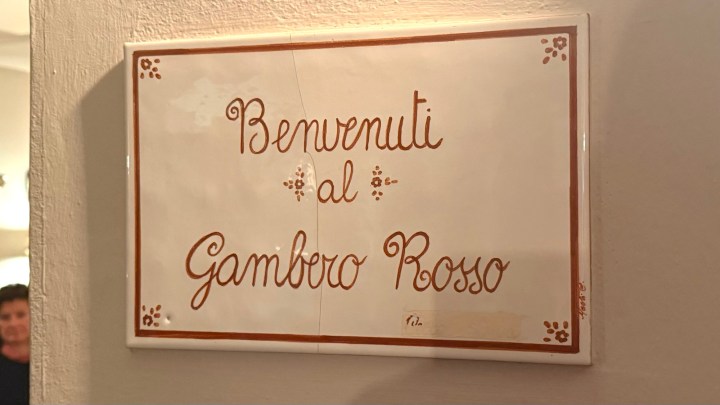
Arriving at the restaurant, I noticed the faint remnant of a sign that said trattoria above the door, yet the building did not look familiar. It was only after seeing a sign reading Benvenuti al Gambero Rosso that the memory clicked: we had been to this exact location when it was Locanda al Gambero Rosso. I had not found any photos of that on my phone. At that time, phone cameras were not yet sufficient for blog-quality photography, so I used a dedicated camera for food photos. (If you were born in this century, it may be hard to imagine a time when people carried separate devices for photography rather than using their phone for everything.) I searched the blog and found my review from 2014. Back then, we had also gone out of our way to eat there, though that time it was for three gamberi. We had been invited by the previous owners, whom we met in Puglia in 2008 while eating at another three gamberi trattoria. Because San Piero in Bagno is quite remote, it took us until 2014 to finally make the trip. We arrived just in time, as they retired shortly thereafter. Now, twelve years after that first visit, we found ourselves traveling back to the same spot in the middle of nowhere just to eat. Would it be worth the trip this time around as well?
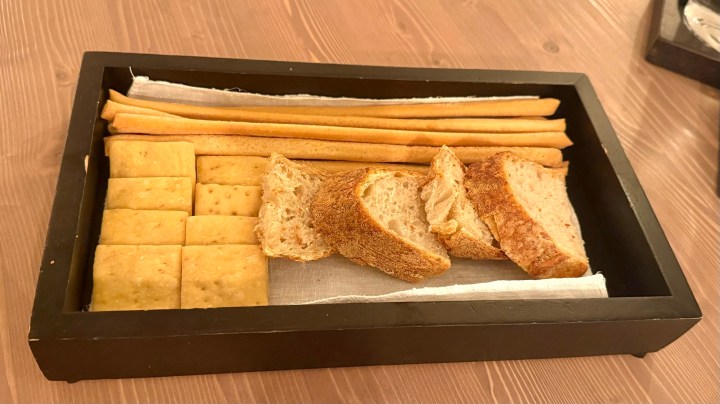
The restaurant offers three tasting menus. The first allows you to choose five courses from the a la carte menu for 80 euros. The second, called Passo dopo passo (step by step), features seven of the chef’s classics for 98 euros. Finally, there is Orizzonte (horizons), offering nine seasonal dishes for 160 euros. Since this was our first visit to the restaurant, we felt the classics would be the best way to get acquainted with his cuisine and opted for the Passo dopo passo. We included the wine pairing at 55 euros for seven glasses. The waitress mentioned that cocktails and beer would also be included in the pairing, but we requested wine only. The bread was excellent, especially the very crispy but thin crust of the sourdough.
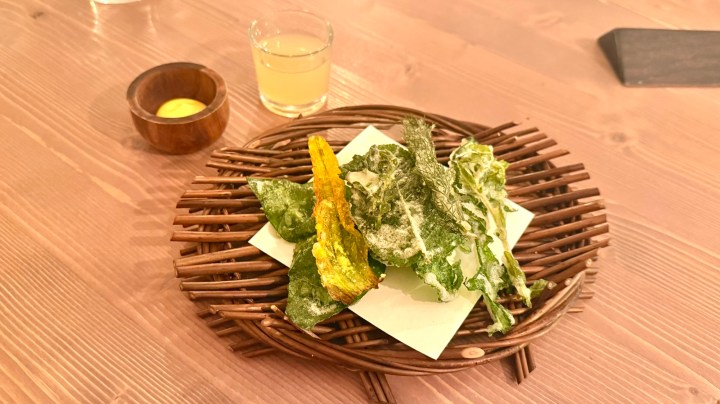
The amuse was a collection of foraged leaves served as tempura, with a mix of mayo and mustard on the side and a basil-infused lemon juice as a palate cleanser. The tempura was excellent, very crispy and light, which allowed the herb flavors to shine rather than just tasting of dough. This demonstrated the skills of the chef, as making such tempura is far from easy.
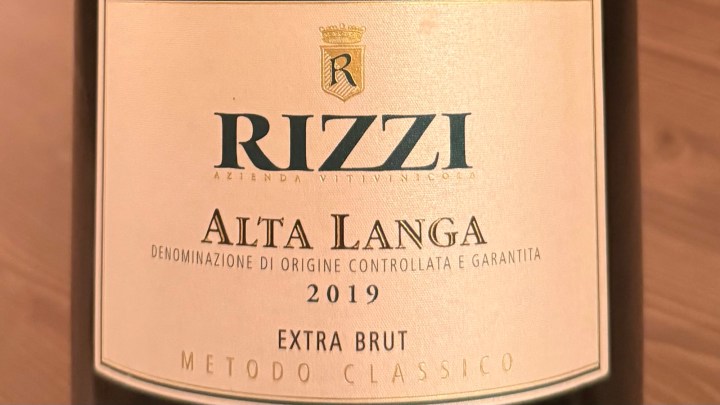
The first wine of the pairing was a classic method sparkling wine from Piemonte, Alta Langa, 85% Chardonnay and 15% Pinot Nero, aged 4 years on the lees.
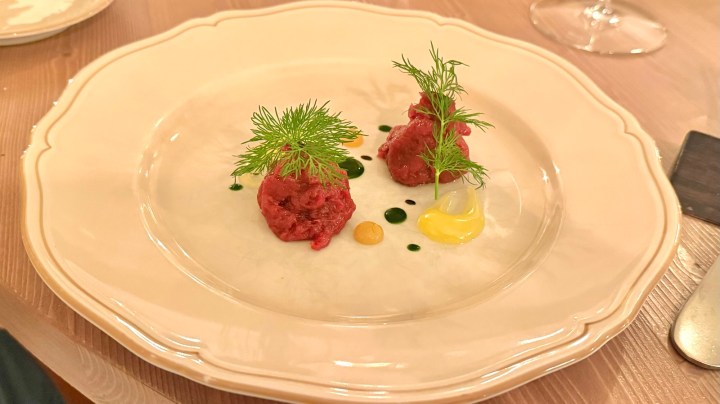
It was a good pairing for the venison tartare with dandelion honey, bergamot, dill, and coffee. The venison tartare was minced by hand very finely and served lukewarm to make it more flavorful.
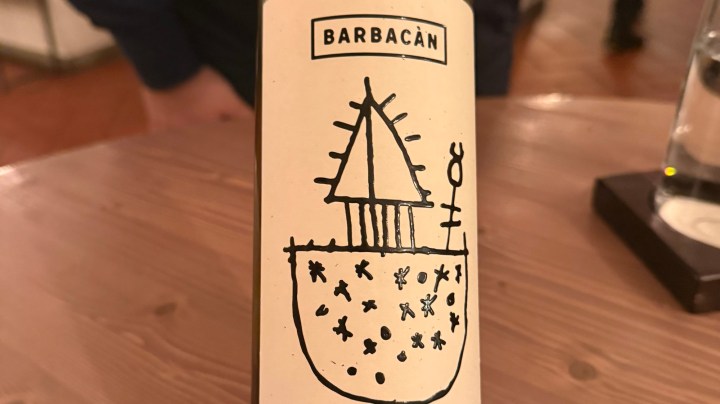
The second wine was a rosé from Valtellina of 70% Nebbiolo and 30% other local grapes (Rossola, Rossolino Rosa, Pignola, Brugnola, Negrera). It had quite a bit of structure and nice aromas of red fruits.
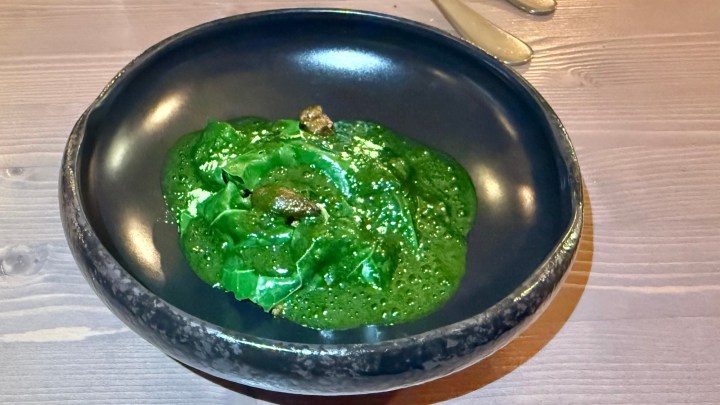
The wine was quite astringent by itself, but proved to be an excellent pairing for the stewed rabbit served with chard, capers, and matcha. The deep-fried capers provided a crispy and salty element, while the matcha was quite bitter and tannic, offering a nice contrast to the rabbit. It was a very original dish that I liked, despite usually not being very fond of bitter flavors.
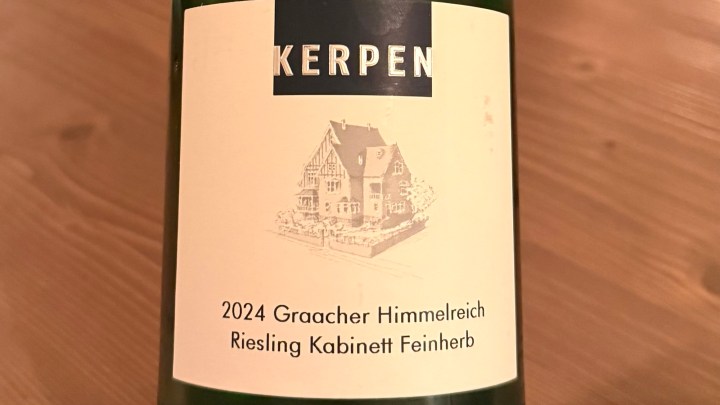
The third wine was a ‘Feinherb’ Riesling Kabinett from the Mosel, with the Feinherb designation indicating a fine balance between light sweetness and high acidity. This was an unusual choice for an Italian wine pairing, but it proved to be a great find for the charcoal-roasted artichoke. The dish featured a brunoise of artichoke heart with aromatic herbs and a pesto made from charred herbs.
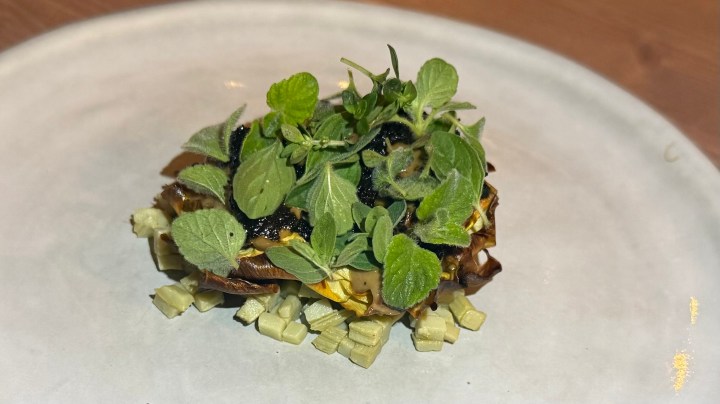
Artichoke is notoriously difficult to pair with wine, and the addition of charred herb pesto made the challenge nearly impossible. In this case, the pairing worked through contrast; the wine essentially ‘rescued’ the dish, preventing an overwhelming accumulation of bitterness by providing a necessary brightening effect. It was another very original dish.
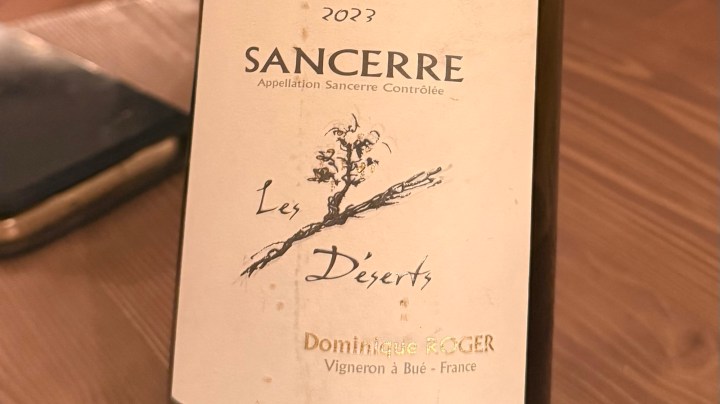
The next wine was again unusual for Italy: a Sancerre, Sauvignon Blanc from France, in this case with a fruity style for Sancerre.
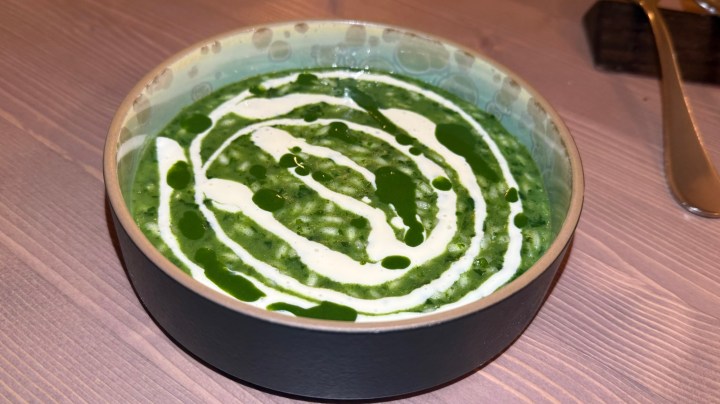
This was a great pairing for the risotto with stridoli, a wild herb from the area that is known as sclopit in Friuli. The risotto also included a cream of local pecorino di fossa, which is aged in underground pits, and sage extract. The risotto was perfectly al dente, and the wine pairing seemed to work better with every consecutive bite and sip. It was truly remarkable how this chef manages to use bitter flavors in his dishes in a way that I enjoy, despite my general aversion to bitterness. It was also remarkable how the sommeliers at this restaurant provided superior wine pairings compared to those at Osteria Francescana, and at a fraction of the price. They were clearly pleased when I pointed this out to them.
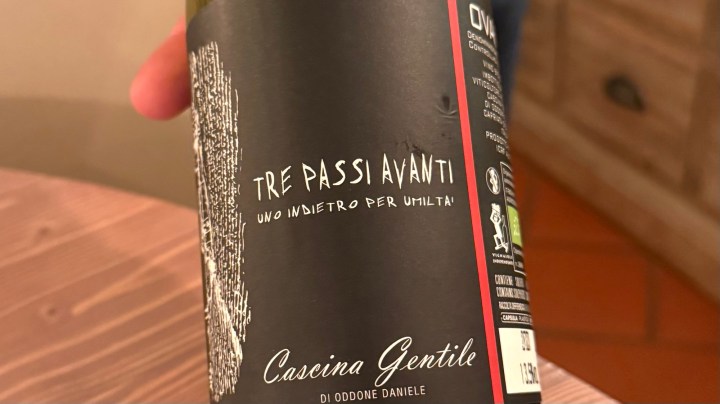
The fifth wine was an Ovada DOCG, a Dolcetto from Alto Monferrato in Piemonte that was very elegant.
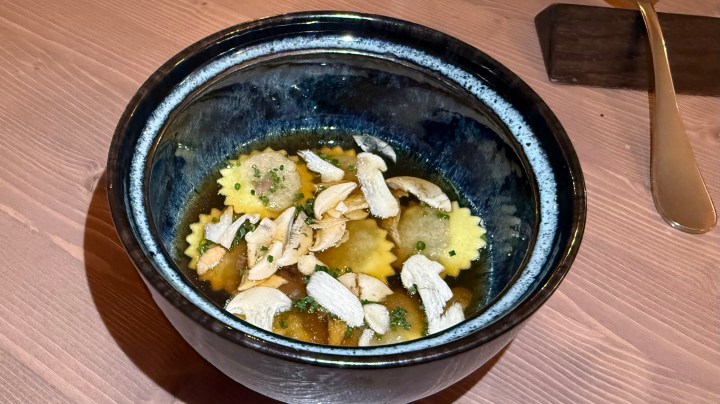
It was an excellent pairing for the pasta stuffed with stewed game meat, served in a vegetable and herb broth with raw wild mushrooms. The stuffing had a very deep flavor that was balanced nicely by the fragrant and earthy broth.
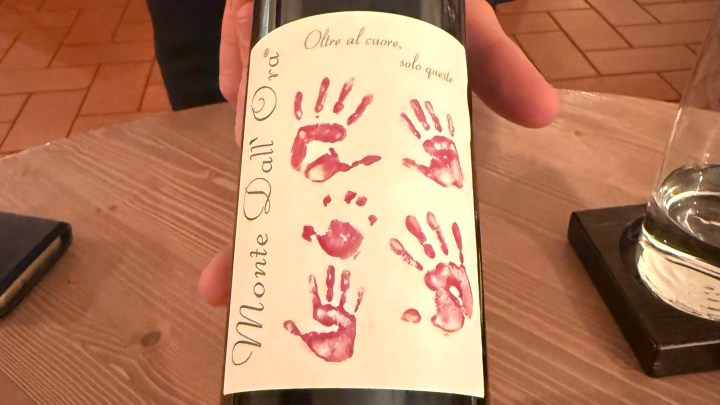
The wine for the main course was an excellent Valpolicella. Not a Ripasso or an Amarone, but just a regular Valpolicella. That may sound like a light wine for a main course, but it was actually a great pairing for the Wellington of Roe deer venison.
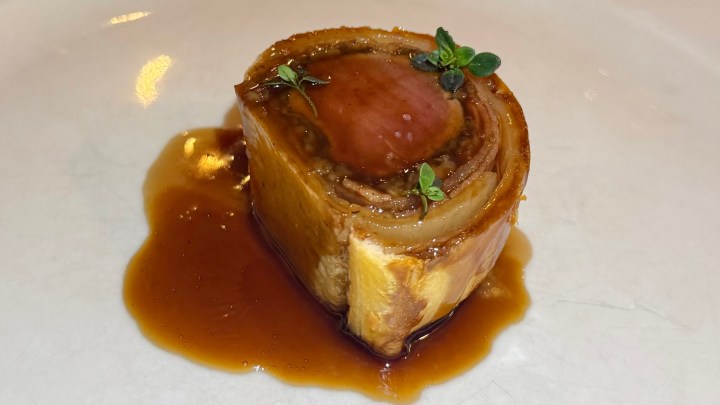
The roe deer venison backstrap was surrounded by mushrooms and guanciale inside crispy puff pastry and served with a roe deer venison jus and fresh thyme. The duxelles and jus were more elegant than a regular Beef Wellington, allowing the complex flavor of the roe deer to shine, and making Valpolicella the right pairing.
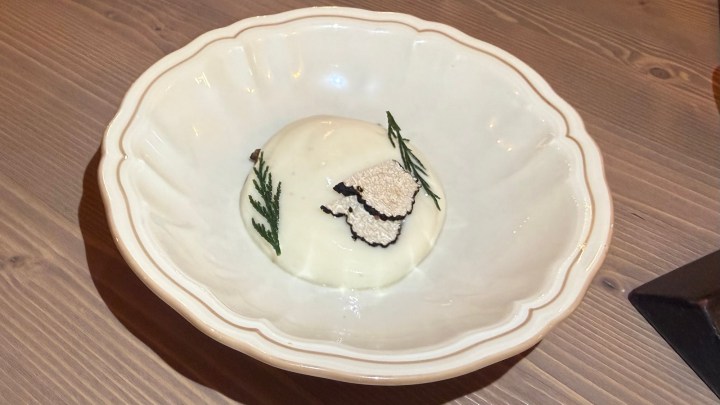
It was served with a side of mushrooms covered with mushroom cream, cypress, and shaved truffle.
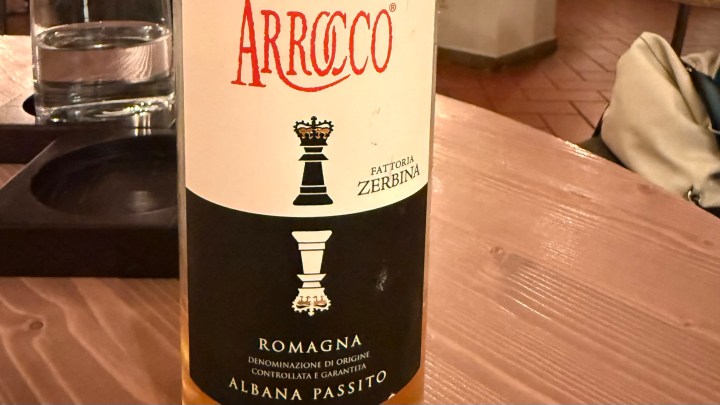
The dessert wine was an Albana di Romagna Passito, a local dessert wine from Albana grapes affected by noble rot. Albana is known for its high acidity, providing balance to the sweetness of the wine.
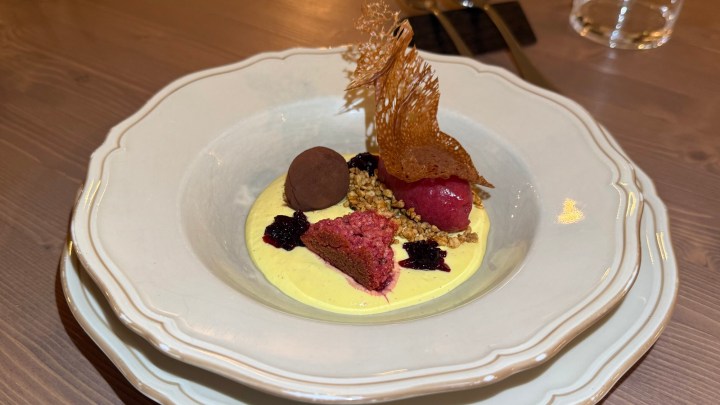
This was an excellent pairing to the just as excellent Zuppa Inglese, a vanilla custard with different sweet preparations in it.
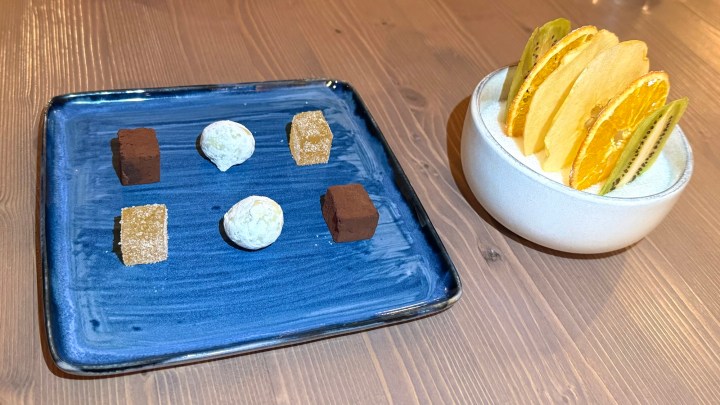
We finished the meal with coffee and excellent piccola pasticceria, which also included excellent dried fruit. This can be tough and lacking in flavor, but this rendition was excellent, especially the orange was very tender and had a wonderful aroma.
Our wonderful dinner at daGorini was further proof of my theory that three gamberi and one Michelin star represent the sweet spot for fine dining in Italy. The chef offers highly original flavors that remain consistently delicious. The wines were expertly paired, achieving that rare synergy where the dish and wine elevate each other. Coupled with flawless, friendly service and very reasonable pricing, I will certainly look for ways to include San Piero in Bagno in my future travels. This is truly a hidden gem.


This just ‘flew in’ as I was to be off – I am glad I scrolled > I do not know what to say as you have said it all in your last paragraph 🙂 ! This looks fantastic and beautifully minimally presented! The risotto and the stuffed pasta both have such an original look and the venison backstrap presents perfection on the plate. The mushroom side must be one of the most elegant plates I have ever seen! And could you pretty, pretty please pass a plate of those foraged leaves thru’ the screen . . . uh, perchance our genies will help . . . be well, hope you have another few days . . .
LikeLiked by 1 person