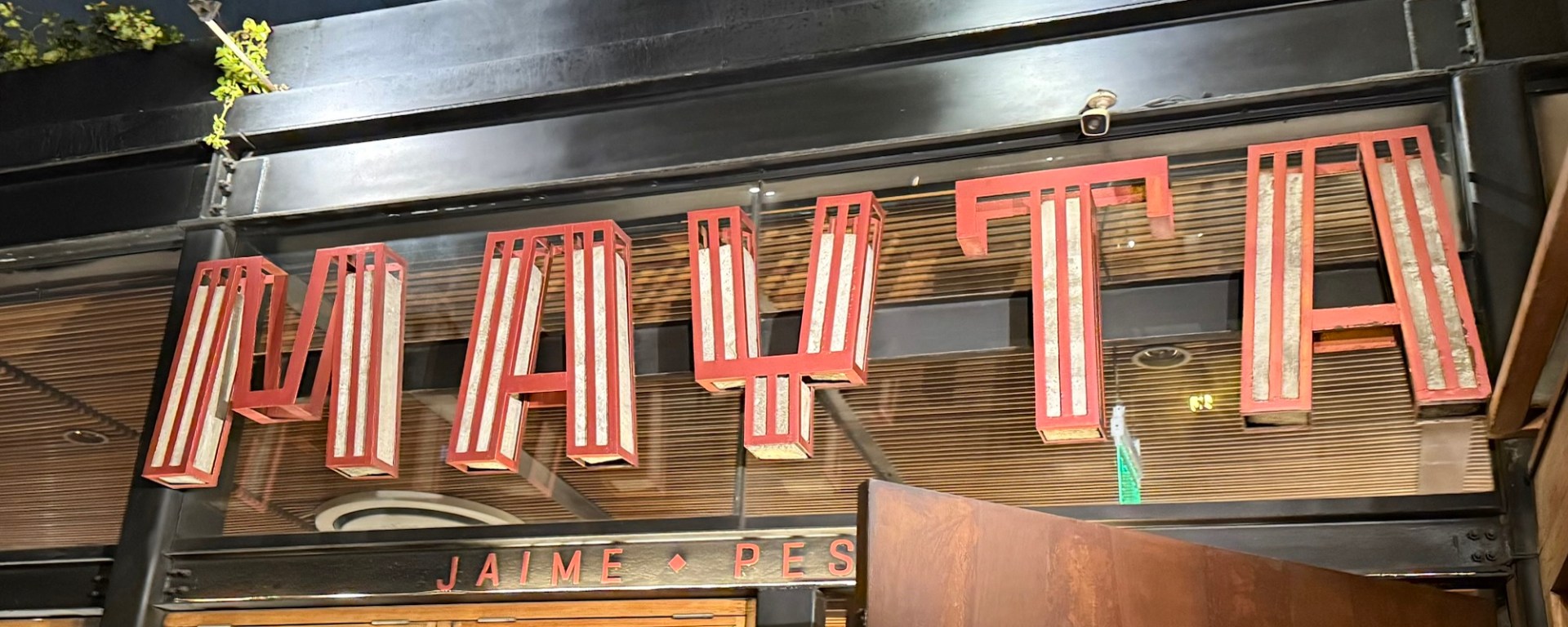
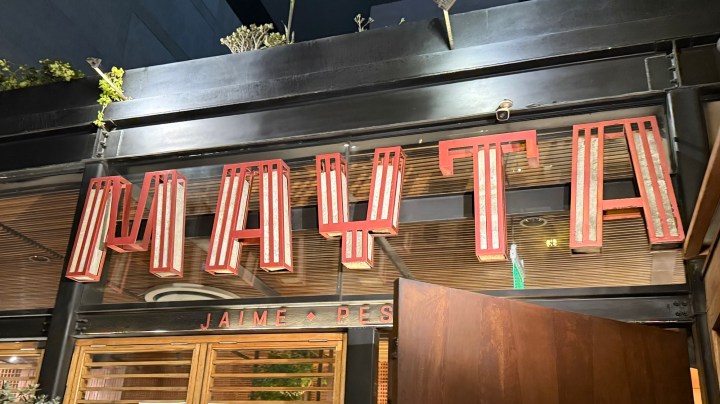
Mayta is a Peruvian restaurant in Lima, founded by chef Jaime Pesaque in 2008. It celebrates the country’s biodiversity by serving all kinds of indigenous ingredients. The Michelin guide does not cover Lima, but this is one of the restaurants that have made Lima an international culinary hotspot and it has ranked consistently on the World’s 50 best restaurants.
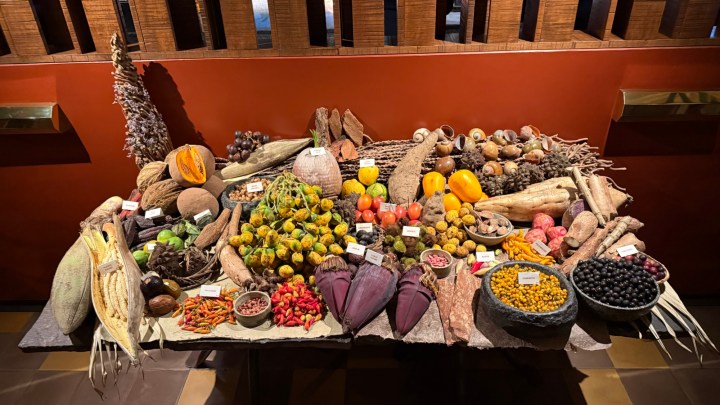
We opted for the Amazonian Logbook tasting menu, 10 courses for about 250 euros, with the artisan wine pairing priced at about 170 euros. The menu features many ingredients that I had never heard of or tasted, so I hope I can do it justice.
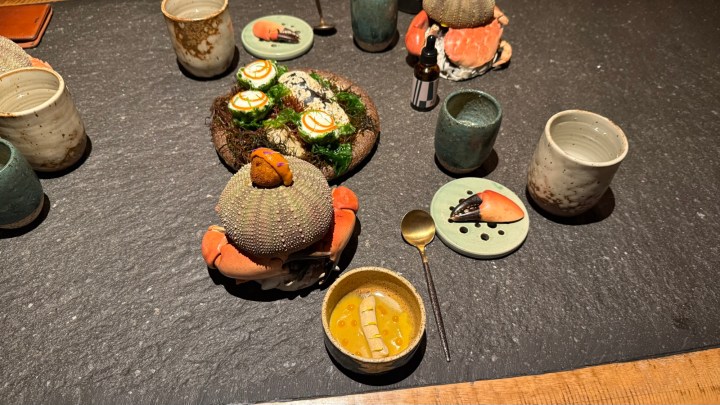
We started at the sea, featuring the most familiar ingredients. The crispy algae fritter had a very nice fresh taste. A crispy sea urchin sphere was topped with fresh sea urchin tongue (uni). The razor clam was very tender and served with a delicate yellow chili sauce.
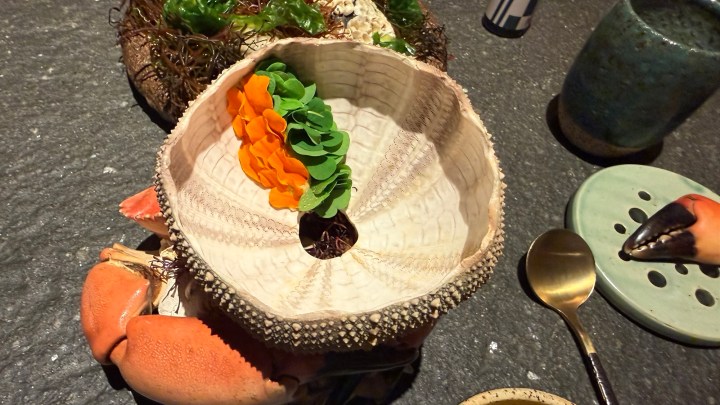
Underneath the sea archun was crab meat flavored with aromatic mochero chili and topped with green and orange leaves, which we could scoop out with the crab claw spoon that was provided.
The pairing provided with this dish was a cocktail of Pisco with an Amazonian citrus juice, very aromatic.
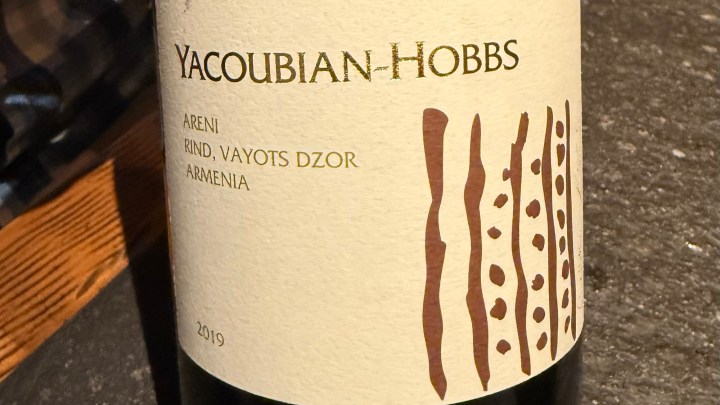
The first wine of the pairing was an Areni from Armenia, a medium bodied red wine with an earthy flavor and hints of cherry.
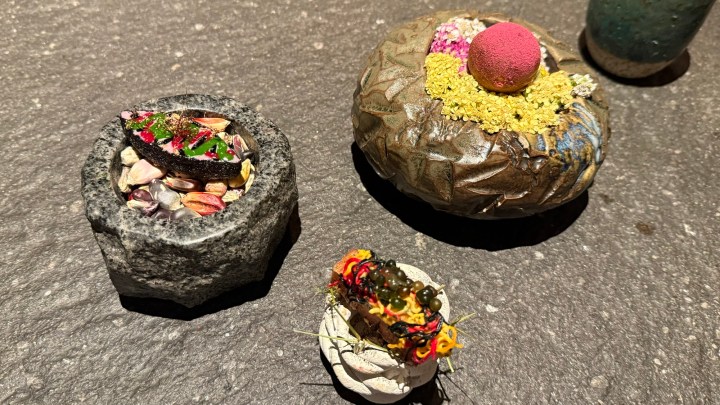
This was a very good pairing for the next course featuring cushuro, quinoa, and corn. Cushuro is also called Andean caviar, a species of edible freshwater cyanobacteria that grows wildly in high-altitude Andean wetlands, lagoons, and bogs at high altitudes. They look like small, translucent, gelatinous green or brownish spheres and have a delicate, popping texture similar to fish roe, with a refreshing, slightly earthy flavor. The quinoa ball was made from ground quinoa and had smooth texture and a flavor reminiscent of almond. The corn was crunchy with a very nice corn flavor.
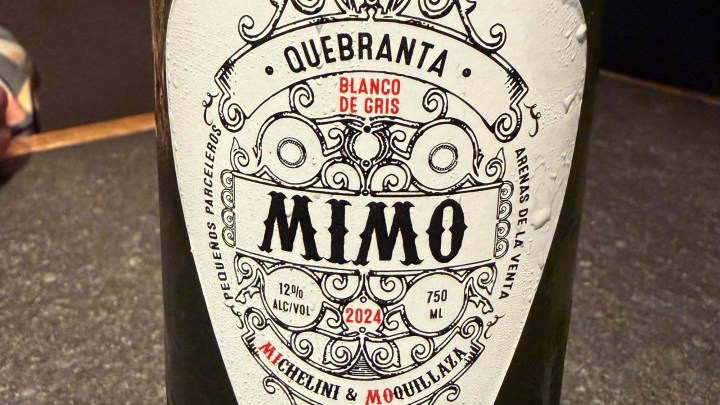
The second wine was a Quebranta from the Ica Valley in Peru. Quebranta is a grape that is traditionally used to produce Pisco, but in this case it was made as a still wine. It was a natural wine, very savory on the palate with hints of nectarine.
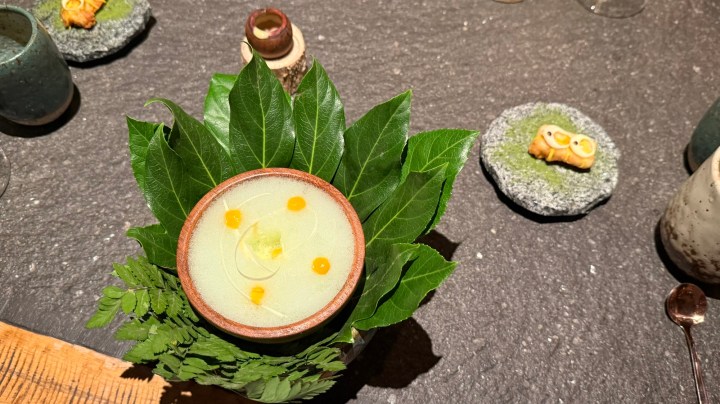
It was a very good pairing for the next course, featuring Amazonian palm varieties. The first part was a crispy tempura bite stuffed with pickled palm heart. The second part was a rich savory stew made from local palm varieties (shapaja, chambira, pijuayo), and a bright touch of wild passion fruit (tumbo).
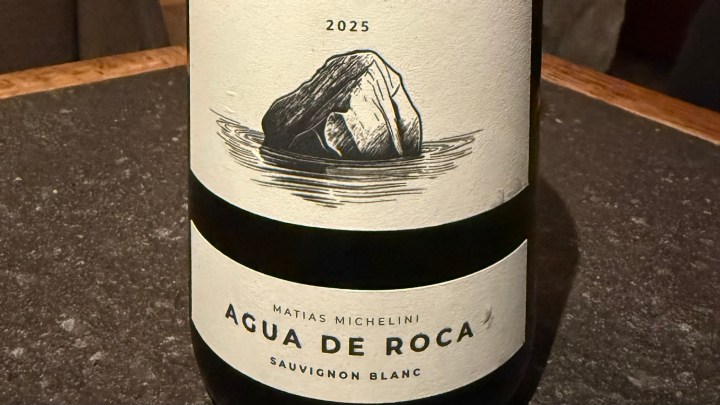
The next wine in the pairing was a Sauvignon Blanc from the Uco Valley in Mendoza, Argentina, that was called “Agua de Roca” (rock water) and did indeed taste more like rocks than Sauvignon Blanc: it was very savory on the palate.
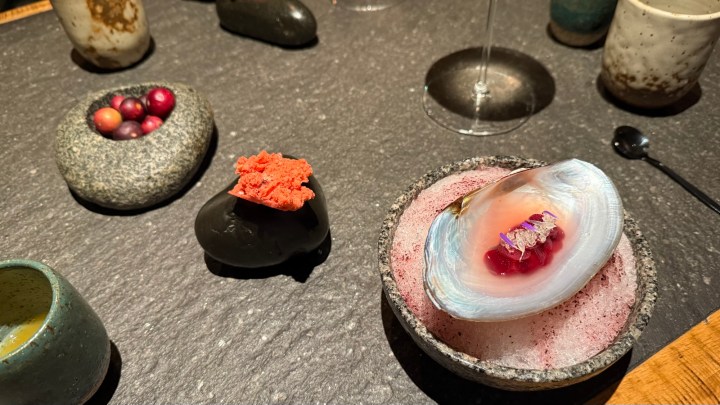
This was a very good pairing for the river clams with camu camu berries and juice of the aromatic rough lemon. The clams are called “Tumba cuchara” (spoon-dropper) because they are so hard to open that it may cause you to drop your spoon.
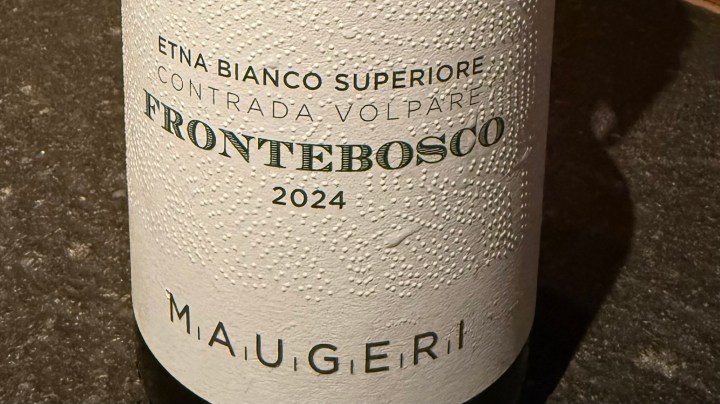
The following wine was a Carricante from the Etna volcano in Italy, with a very saline palate.
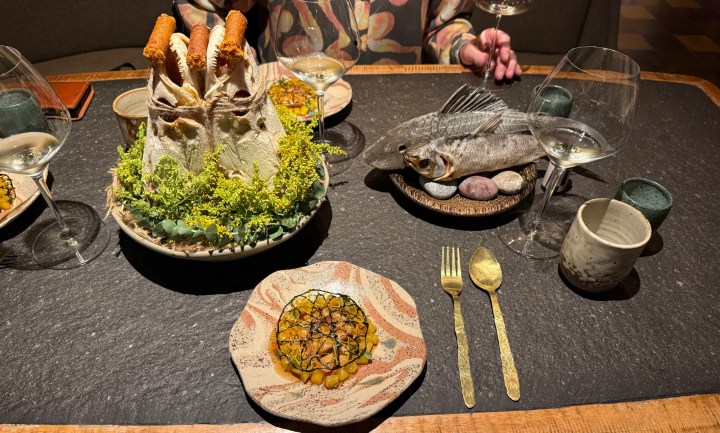
It was a very good pairing for the Amazonian river fish (Paiche and Carachama), with fermented wild cassava juice (tucupi), rich umari fruit, and sacha tomato. A very tender and juicy piece of Paiche was paired with fresh flavors and corn gnocchi.
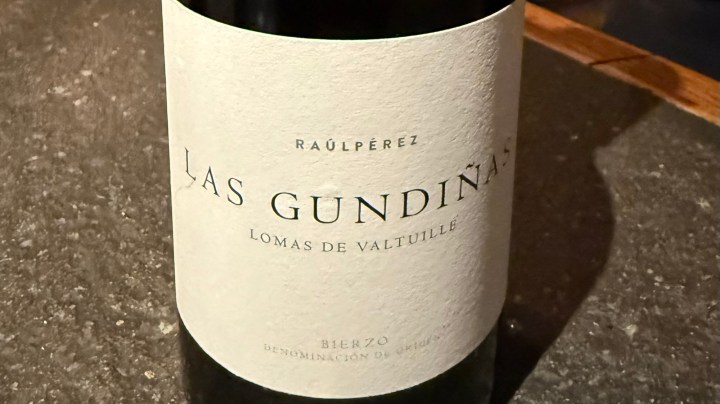
We continued the wine pairing with a Mencia from Bierzo in Spain.
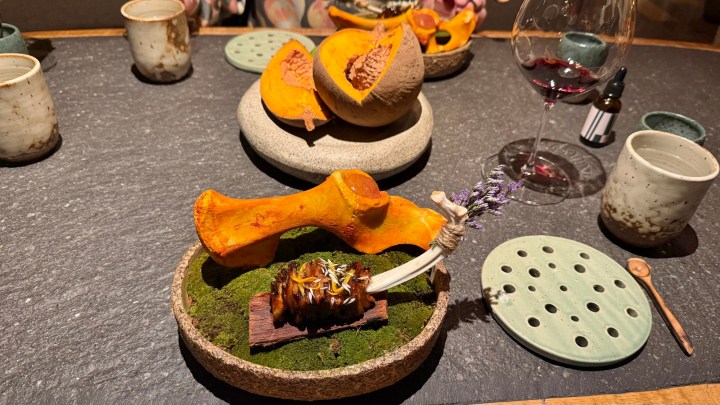
It was a very good pairing for the wild pork served with smoked pork jerky and balanced by the tropical, citrusy brightness of taperibá (yellow mombin) and sweet zapote fruit. The pork was very tender and creamy with a nice smoky char.
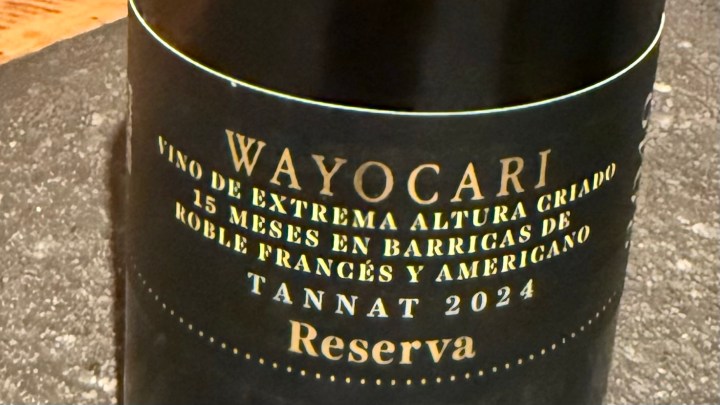
The final wine was a Tannat from Cusco in Peru, which was too heavily oaked.
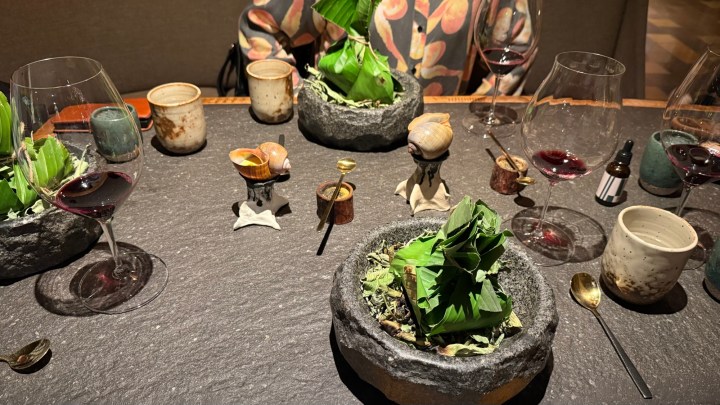
The dish was a refined take on the classic Amazonian juane (traditionally rice wrapped in leaves), prepared here with duck, river snails (churos), and aromatic mishkina seasoning paste.
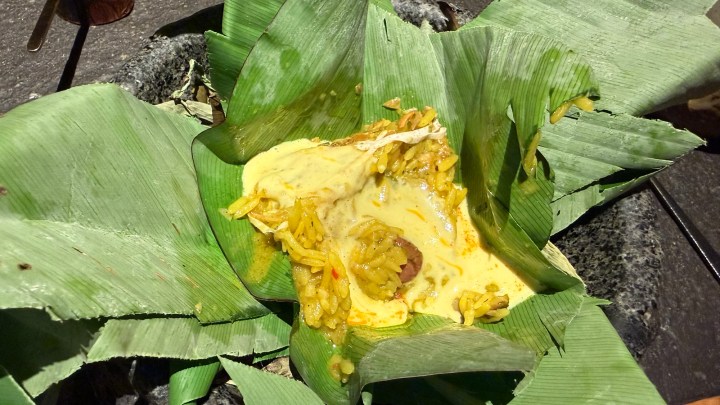
The rice was very creamy and flavorful, and the duck came as sausage.
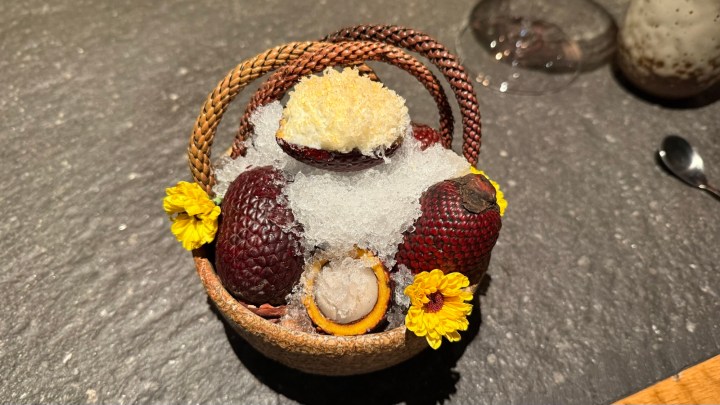
The first dessert was a combination of the Aguaje fruit and Amazonian chestnuts.
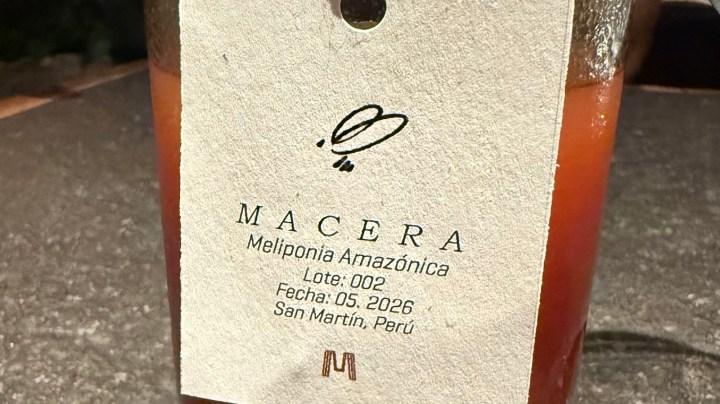
The drink paired with dessert was a creation of the cocktail bar at the restaurant, Pisco infused with rare honey of Melipona bees. It had a beautiful complex aroma.
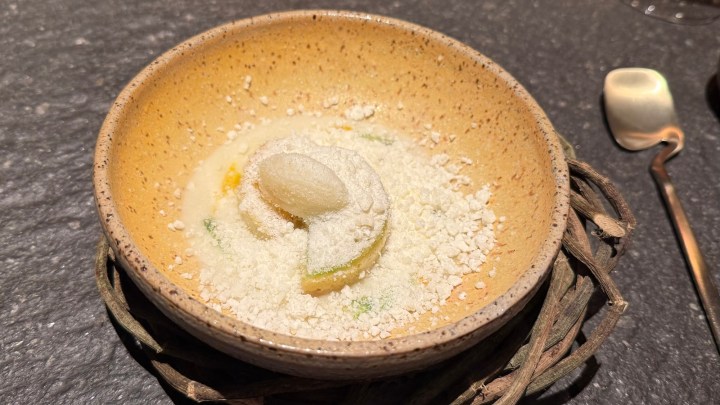
It was a very good pairing for the main dessert of mandarin lemon, star fruit, and aromatic, tropical chocolate-relative copoazú.
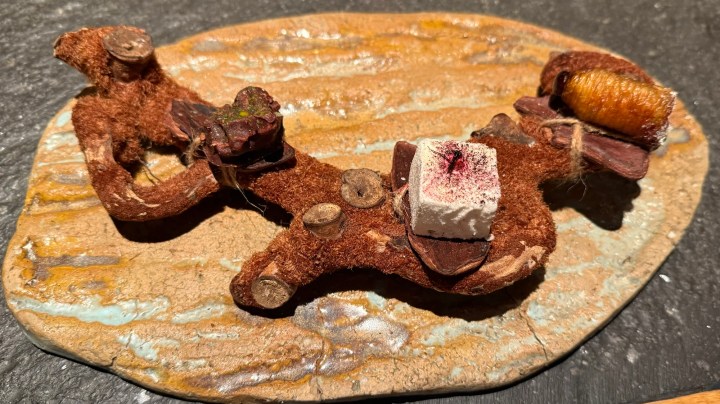
We finished with three unusual but delicious petit fours with edible suri larvae, toasted curuhuinsi ants (with a subtle citrusy acidity and nutty finish), macambo (native cacao), and tart arazá fruit.
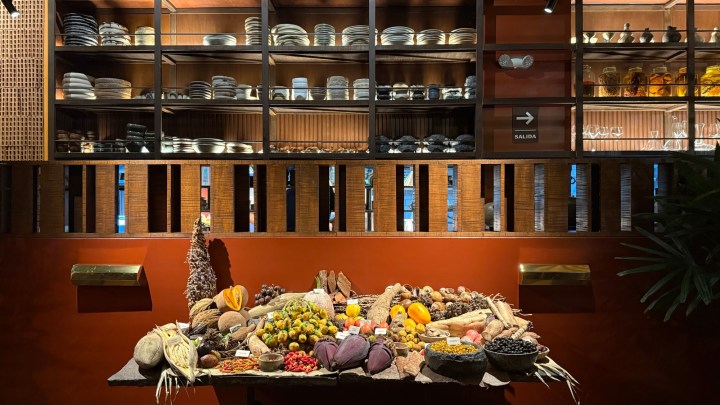
This was an extraordinary meal that demonstrates precisely why Lima has solidified its status as an international culinary powerhouse. Every dish was remarkably creative, visually stunning, and original. Far too often, food of this aesthetic ambition falls into the trap of form over substance, where theatrics overshadow taste. That was emphatically not the case at Mayta: every bite was exceptionally delicious, defined by wonderful flavor complexity and balance.
The wine pairings gravitated toward an earthy, savory, and noticeably saline profile, which anchored the rainforest and coastal elements perfectly. While only two of the bottles were Peruvian, the international selections were also off the beaten track. On such an ingredient-focused gastronomic journey, it is fitting that the wines served as a harmonious accompaniment rather than stealing the spotlight, yet they provided pleasure in their own right and matched the food seamlessly.
The service matched the standard of a three-Michelin-starred establishment, complete with synchronized, choreographed plate drops. The staff was warm, attentive, and maintained flawless pacing throughout the three-hour experience. Some of the explanations were difficult to grasp due to heavy accents, but luckily most of the courses were presented by the host with fluent English upon our request. Given how novel these Amazonian ingredients were to us, those detailed explanations were integral to the experience.
It was a phenomenal evening, and I am deeply curious to see how Mayta will compare to the celebrated Central, where we will sit down for lunch the day after tomorrow.

