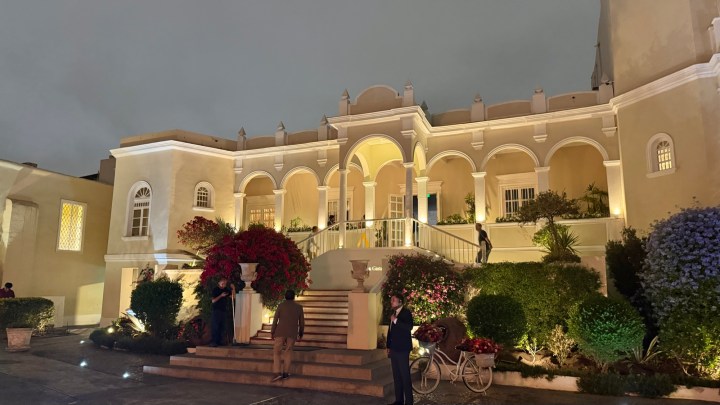
Astrid y Gastón is the restaurant that put Lima on the map as a hotspot for modern Peruvian fine dining. Opened in 1994 by Gastón Acurio and German-born pastry chef Astrid Gutsche, it played an important role in the movement that elevated local Peruvian ingredients and traditional criollo flavors to haute cuisine standards. A generation of top Peruvian culinary talent was trained here, including Virgilio Martínez (Central) and Mitsuharu Tsumura (Maido).
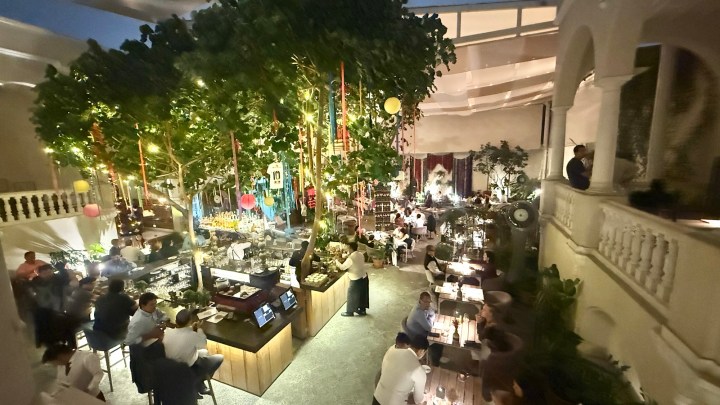
The restaurant is housed in a 300-year old colonial hacienda and has several dining zones.We were seated on the balcony with a view of the lively courtyard below.
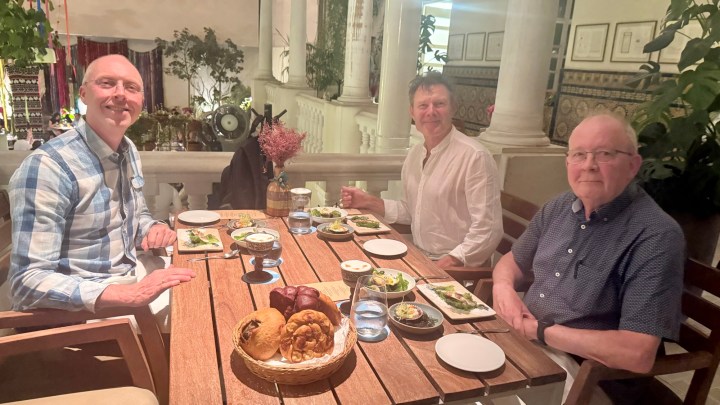
The restaurant has an extensive à la carte menu and wine list, but we opted for the seasonal tasting menu (Spring-Summer 2027 edition) of 7 courses for PEN 748 (about 190 euros) with wine pairing for PEN 599 (about 150 euros).
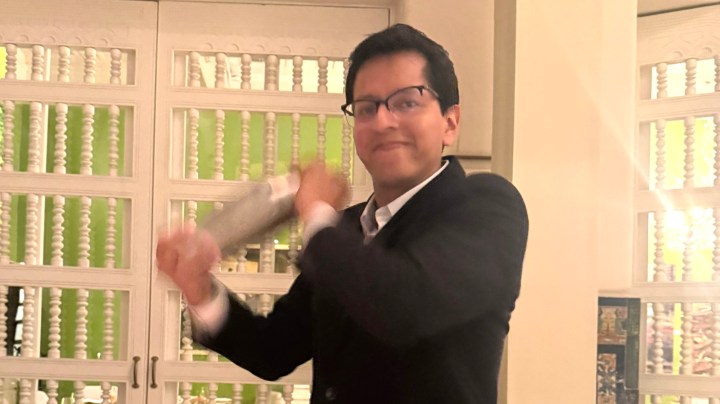
The menu started with a Pisco Sour prepared at our table by the sommelier.
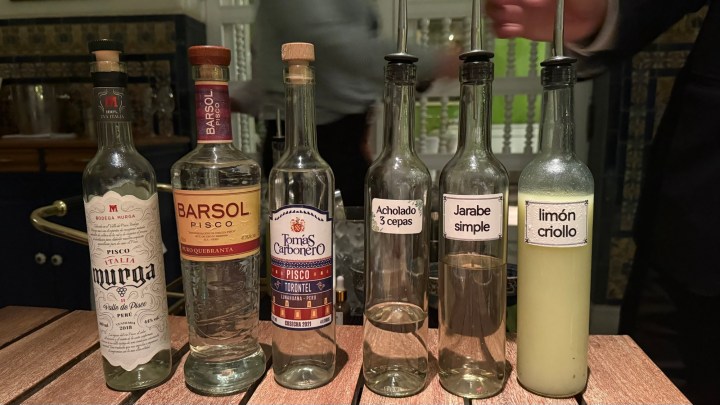
They use three different Piscos from three different grape varieties: Italia (Muscat of Alexandria), Quebranta, and Torontel. This was mixed with simple syrup and lime juice, and shaken with egg whites for a creamy texture. A few drops of bitters were added at the end. The Pisco was paired with the first two courses.
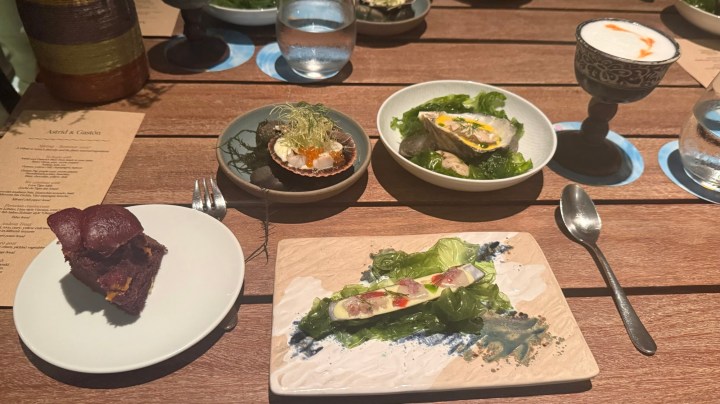
The first course was a trio of seafood. The razor clam with pear and rococo paper was very tender. The scallops with leek and trout roe was very flavorful. The plump oyster was lightly cooked and served with a sauce of yellow chilli (Ají Amarillo), Champagne, and tapioca pearls. Each course was accompanied by a different kind of bread. The first bread was prepared with different kinds of berries and had a brioche-like texture.
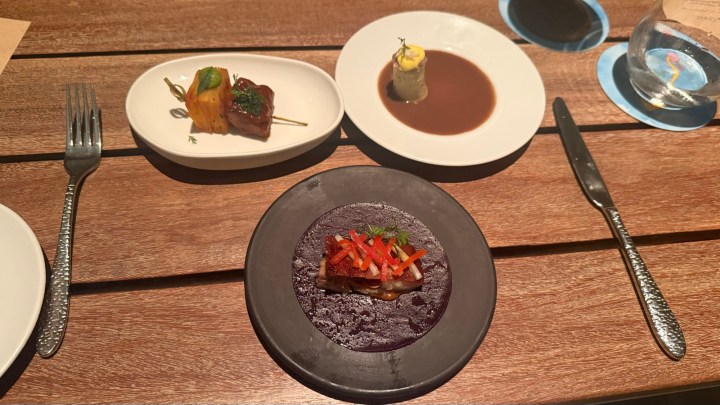
The second course included something that was on my bucket list for this trip to Peru and Bolivia: guinea pig. It was served in a taco from purple corn. The flavor and texture of the guinea pig reminded me of suckling pig with crispy skin. The course also included sweetbreads with potato and huacatay, as well as a cannellono stuffed with braised hare, served with a hare jus with a hint of chocolate, and a yellow chilli sauce.
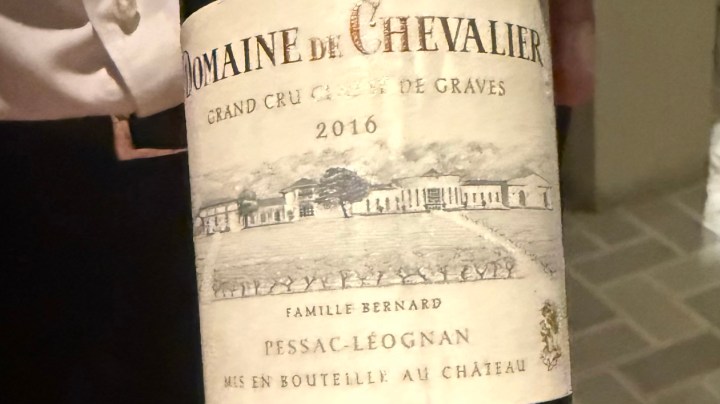
The wine pairing was put together in a clever way, because there were two premium wines included that elevated the level of the entire pairing without making it ridiculously expensive. The first of these premium wines was a white Bordeaux from Pessac-Léognan, Domain de Chevalier 2016, a blend of Sauving Blanc and Semillon fermented and aged in oak. The wine was at its peak drinking with beautiful aromas and a great balance between creaminess and acidity.
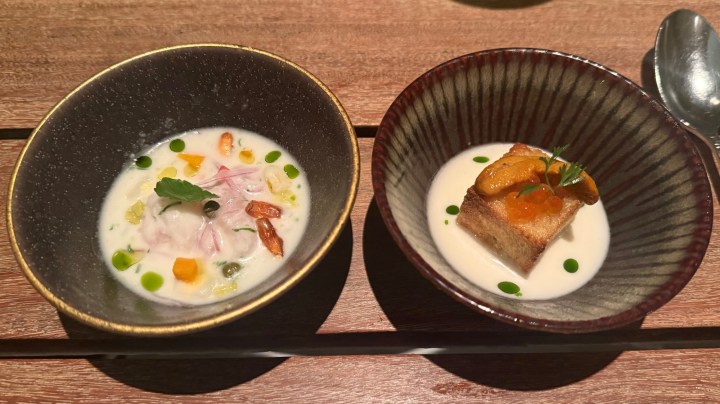
It was an excellent pairing for the ceviche of Peruvian southern sole with Huarochiri avocado and basil, served with tiger milk and some Italian fusion elements. The second ceviche was Marcona sea urchin (uni), served on a piece of brioche and with Virú asparagus in the tiger milk. The brioche was slightly too sweet for the wine, so I preferred to sip the wine with the exceptionally tender sole ceviche. After a few days in Lima I’ve already had quite a few servings of ceviche, and often the fish is a bit tough. That was not at all the case here.
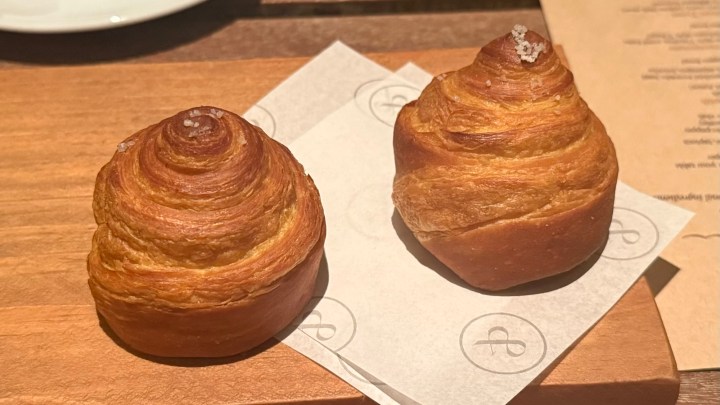
This course came with a Mirasol chili pepper croissant.
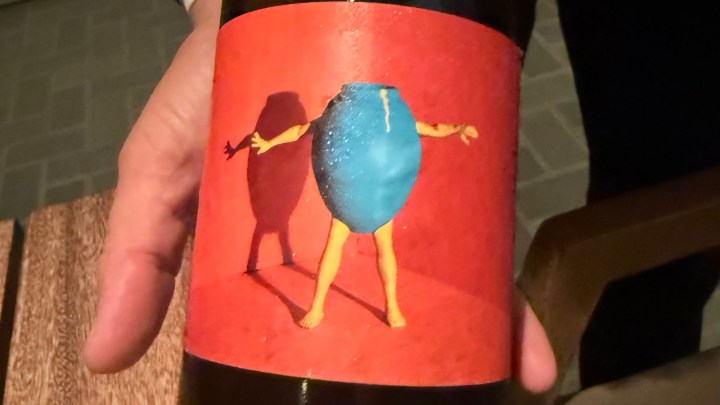
We continued ther wine pairing with an orange wine from the Sherry area in southern Spain, made from Muscat of Alexandria, which is also one of the most common grape varieties in Peru but used mostly for Pisco. For an orange wine it was quite elegant and it paired well with the next dish.
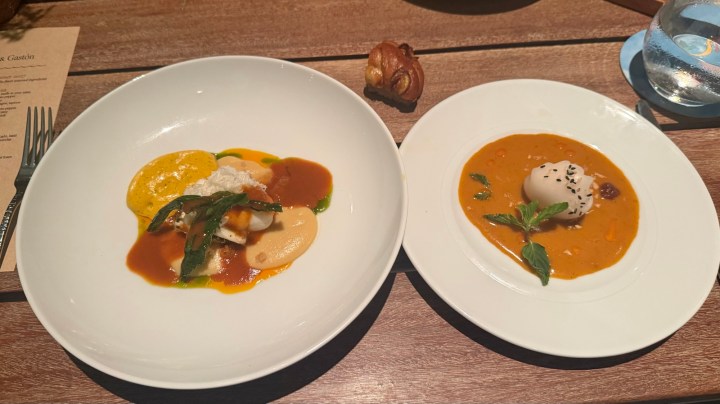
The next dish was Peruvian crustaceans: Puerto Eten Lobster with Lima-style Vizacaína and coral foam, and crawfish Har Gaw with Sichuan-style Chupe. Vizcaína is a Basque sauce made from peppers, onions, and broth, transformed here by substituting with Peruvian ingredients. The lobsters here are spiny lobsters with more sturdy flesh than the Atlantic lobsters. Har Gaw is a Chinese dumpling with a translucent skin, because Peruvian cuisine is a melting pot of indigenous, Spanish, Chinese, and Japanese influences. Chupe is a Peruvian bisque-like soup that was transformed by using Chinese flavors in it. The bread paired with this dish was flavored with Olluco, a type of Peruvian tuber.
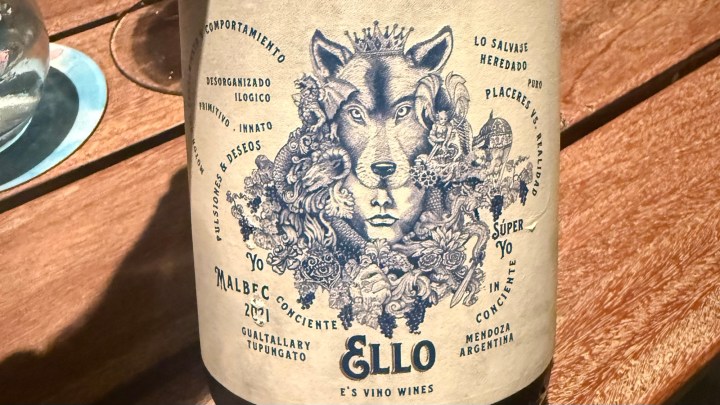
The next wine was a Malbec from Tupungato in Argentina. It was unlike the most common Malbec, which is very ripe with a lot of oak, because it was fermented and aged in amphora. This gave the wine beautiful dark fruit aromas, fine-grained tannins, and a refreshing finish.
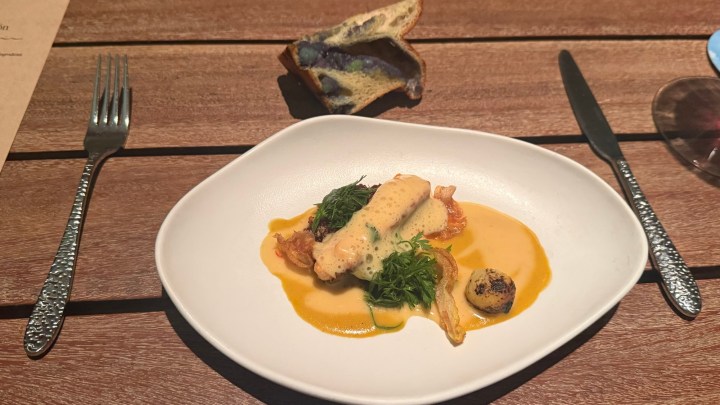
I am always skeptical about pairing red wine with fish, but in this case the pairing with the Andean trout with coconut, curry, a yellow chili sauce, and Olluco in different textures was excellent. The bread was filled with Huayro potato, giving it an intriguing blue and purple color.
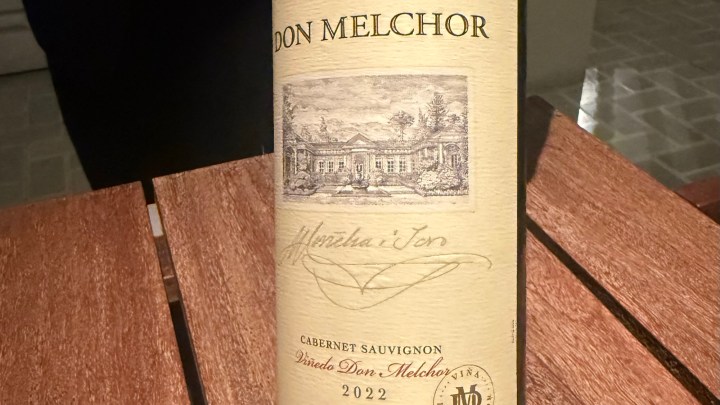
The second premium wine was a Don Melchor Cabernet Sauvignon from Chile, one of the most prestigious Cabs from that country. It had beautiful fruit, silky tannins, and was quite elegant.
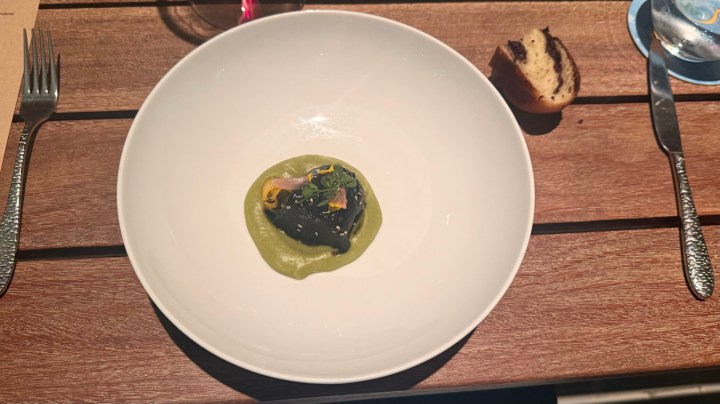
It was a very good pairing for the tender baby goat, served with Peruvian chili mole with corn cream and pickled vegetables. The mole was a Peruvian transformation of the classic Mole Poblano from Mexico. The green corn cream provided a nice refreshing contrast with the dark mole.
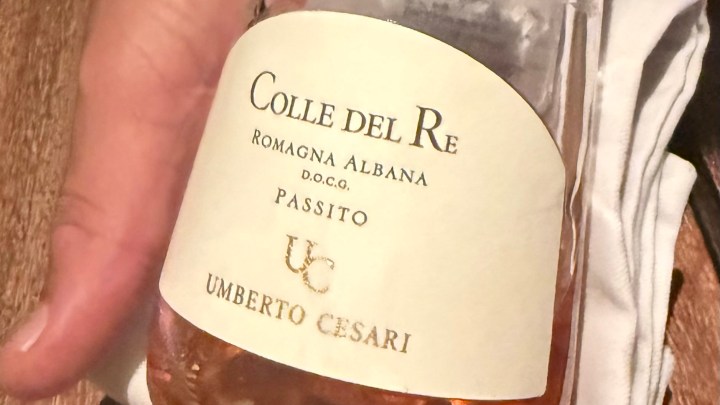
The dessert wine was a Romagna Albana Passito 2016, nicely aged with aromas of raisins soaked in brandy.
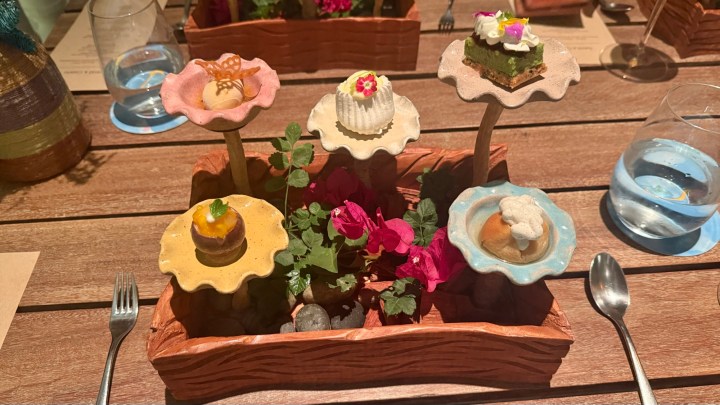
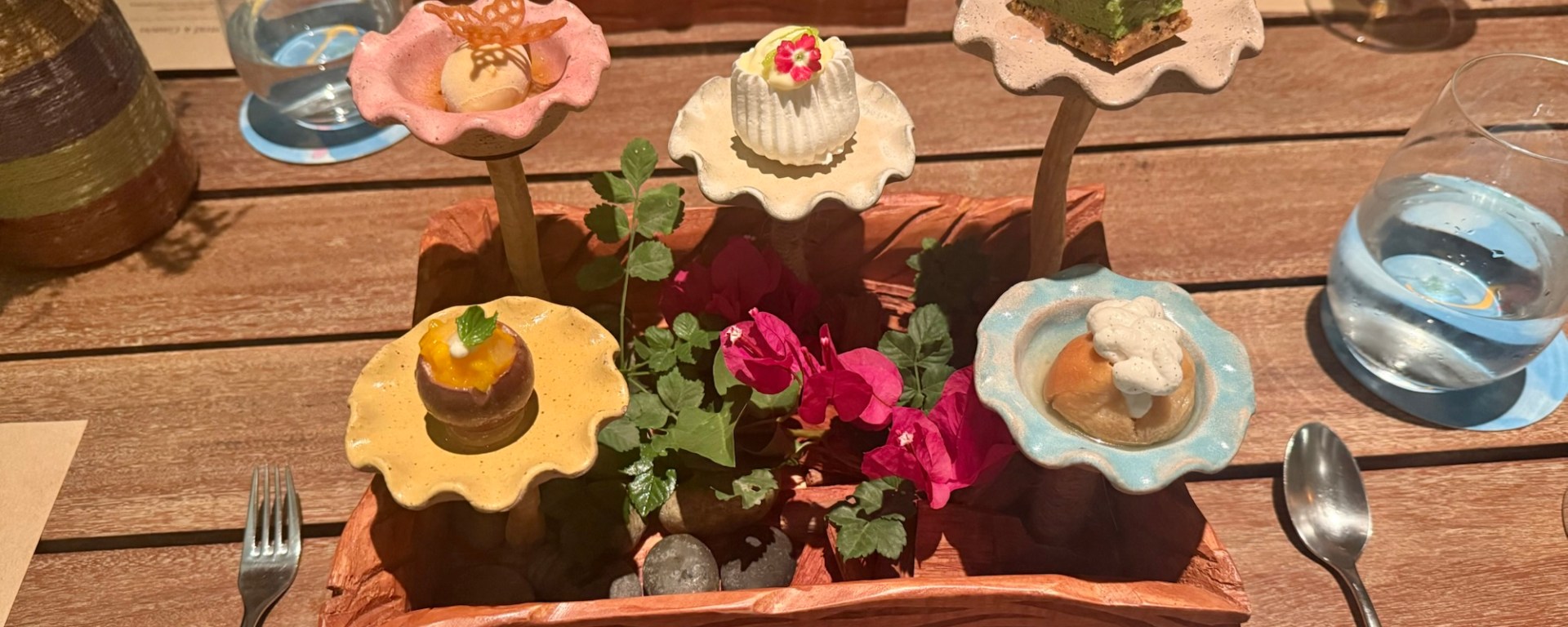
The dessert was an assortment of five different desserts served as a sweet ‘Garden of Eden’. I particularly liked the coconut with passion fruit and the Baba au Rhum, with a 15-year old Rum.
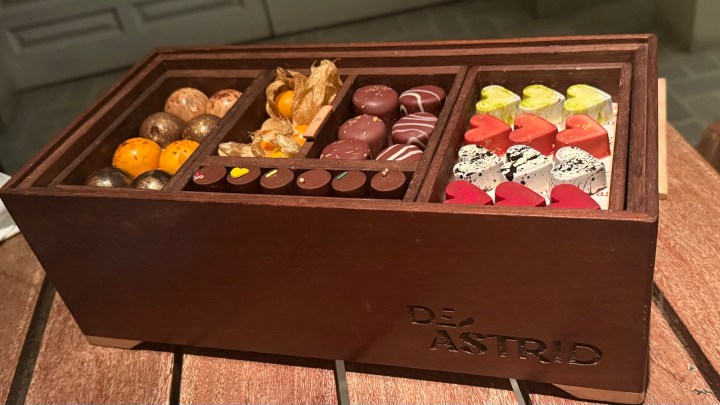
This was not yet the end, as Astrid’s chocolate box arrived.
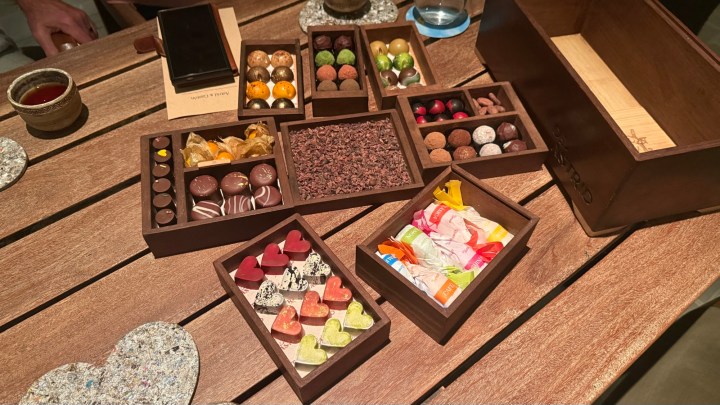
Out of this box appeared a huge array of differently flavored chocolates, out of which we could take our pick.
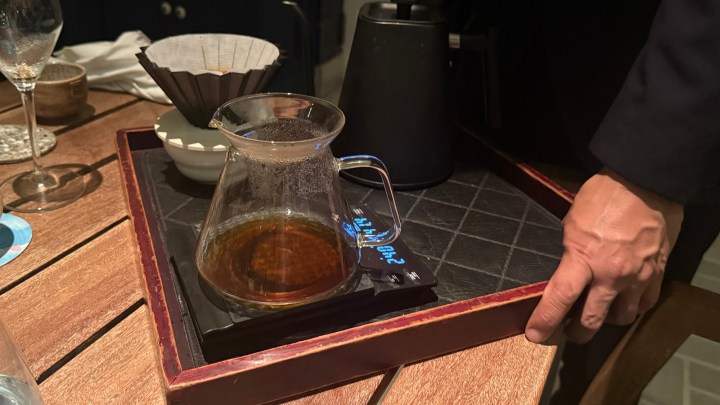
This was accompanied by a special type of coffee from Cusco, that was prepared at the table by the sommelier as drip coffee and in terms of color and flavor seemed closer to tea than to espresso.
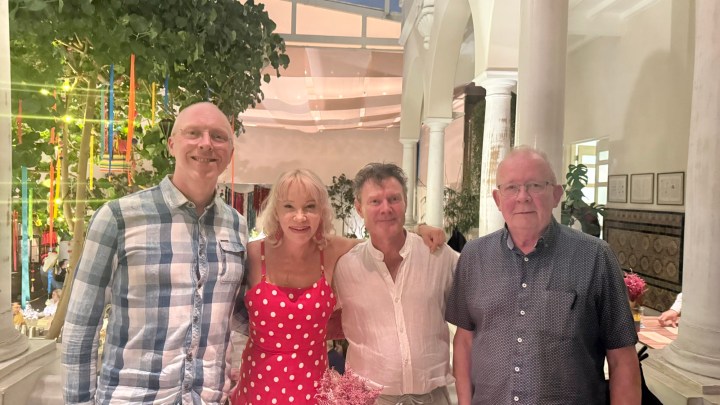
It made a lot of sense to start my exploration of fine dining in Lima with the restaurant where it all started, and I am glad that I did. I can’t compare it to other Peruvian fine dining restaurants yet, but Astrid y Gastón would certainly receive at least one Michelin star in Europe. The prices are also at that level, which is very expensive for Peruvian standards (but not as high as some of the other fine dining restaurants here). The food is delicious with (for me) new flavors. As I wrote before, Peruvian cuisine is a melting pot of indigenous, Spanish, Chinese, and Japanese influences. It is not fusion anymore, because over time Peruvian cuisine has become a new cuisine within its own right. The touch of pastry chef Astrid is not just present as a sweet finale, but throughout the meal because of the assortment of flavored breads. The dishes are quite small, but with the bread there is plenty to eat. The pours in the wine pairing are a bit on the small side (half glasses), but due to the size of the courses it is sufficient to have a sip of wine with each bite. The service was very friendly and attentive, although the English was hard to understand, in part due to the lively music. I can’t wait for my next fine dining meals in Lima!

